
From its Korean origins to its establishment across continents, Kangdukwon enters a new chapter under the leadership of Grand Master Han Won Lee, its fifth kwanjangnim and President of the World Kangdukwon Federation.
By Patrick Harrigan, Vice President for International Affairs, WKF
A Korean tradition with a worldwide presence
More than seven decades after its emergence in Korea, Kangdukwon (강덕원), one of the historic nine kwans of taekwondo, survives as a living martial arts tradition transmitted across generations and national boundaries. Organizational consolidation in modern taekwondo did not extinguish the individual lineages or relationships between teachers and students.
Kangdukwon traces its origins to the YMCA Kwon Bup Bu established by Yoon Byung In. His students Hong Jong Pyo and Chul Hee Park (1932–April 4, 2016) established Kangdukwon after the Korean War; Park became its second kwanjangnim. In Korea today, Grand Master Dr. Seung-won Chi remains a foremost representative of this lineage.
Outside Korea, two especially extensive branches descend from Great Grand Masters Ahn Gun Soon and Hwa Chong, alongside a significant third line associated with Grand Master Kim Chang-Hak.
Two pioneers, two continents
Hwa Chong began training under the founders in 1953. By 1954 he and Ahn Gun Soon were training together at Kwangju Jaeil High School. Their subsequent careers carried the tradition to Southeast Asia and North America respectively, creating communities that retained their original kwan identity long after international standardization of taekwondo.
Ahn Gun Soon and Kangdukwon Moo Do
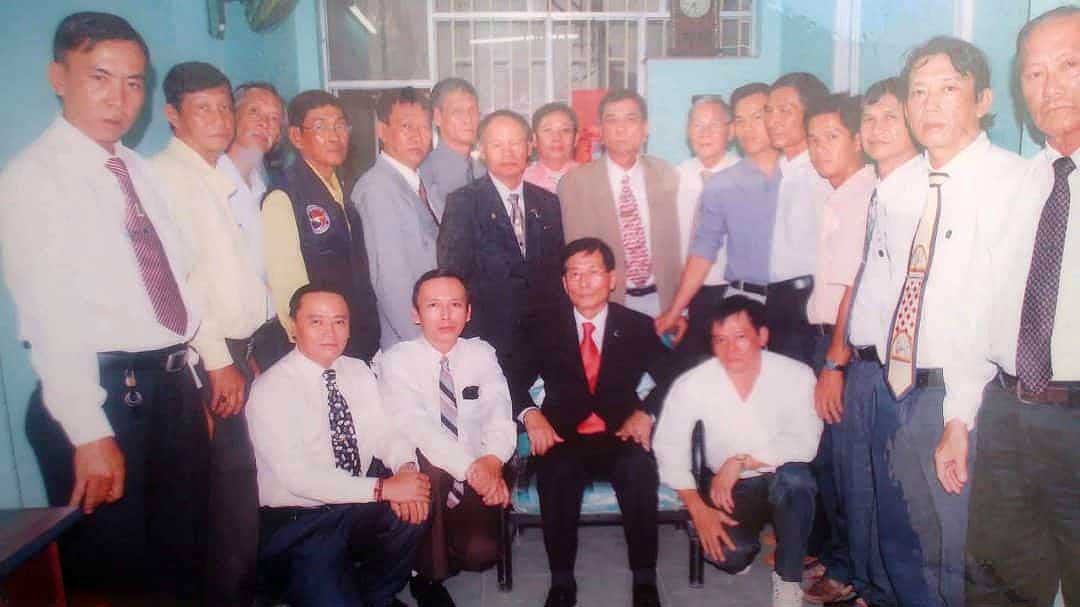
In 1966, Republic of Korea Army Captain Ahn Gun Soon and Captain Kim Tae Sup began instructing Vietnamese military personnel. Among their students was Nguyễn Kim Châu, who became a central figure in the preservation and development of Kangdukwon in Vietnam. Through him and successive generations of Vietnamese masters, the tradition endured conflict and political upheaval, developing an extensive community under the name Kangdukwon Moo Do. Vietnamese communities abroad have carried this inheritance to Australia and elsewhere.
In 2021 the WKF established an accord with Kangdukwon Moo Do, bringing into closer association two branches whose pioneering teachers had trained together in Korea. Grand Master Han Won Lee’s October 2026 visit to Vietnam further advanced these relationships.
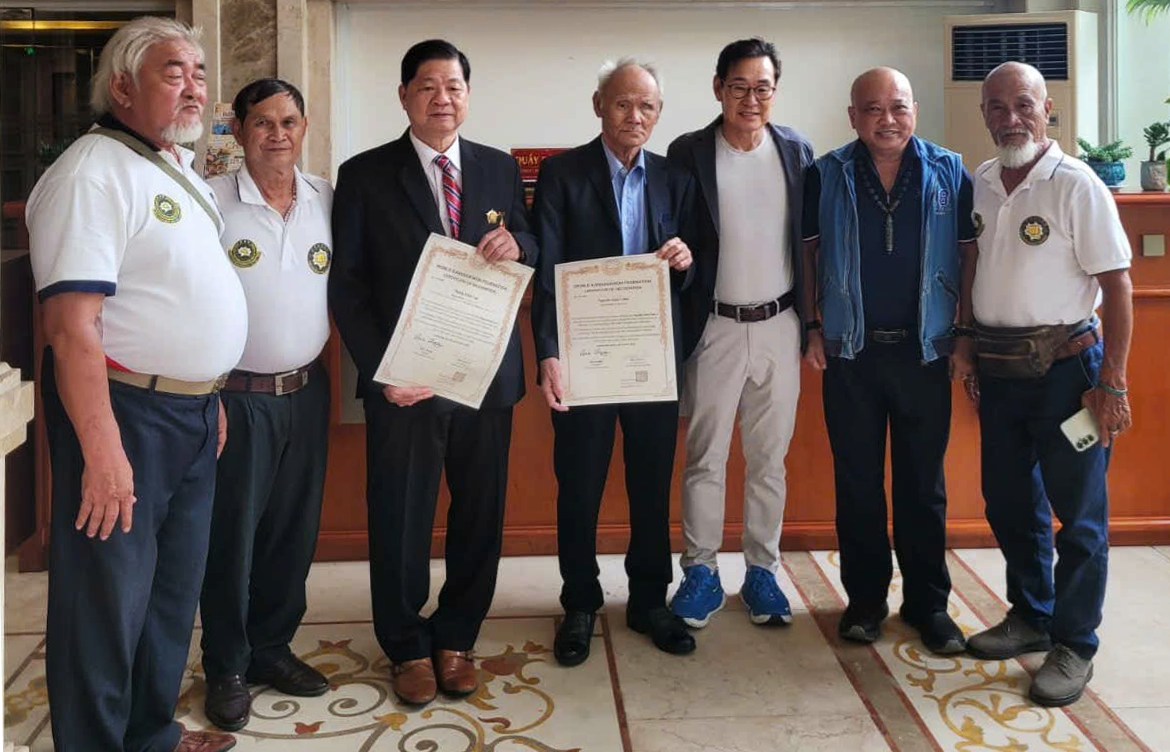
On November 28, 2026, Grand Master Phạm Tien Dũng was appointed WKF Vice President for Vietnam and Grand Master Hong Sinh Vo WKF Vice President for Australia. They will serve as principal national representatives, facilitating communication, cooperation and development.
Hwa Chong and the American lineage
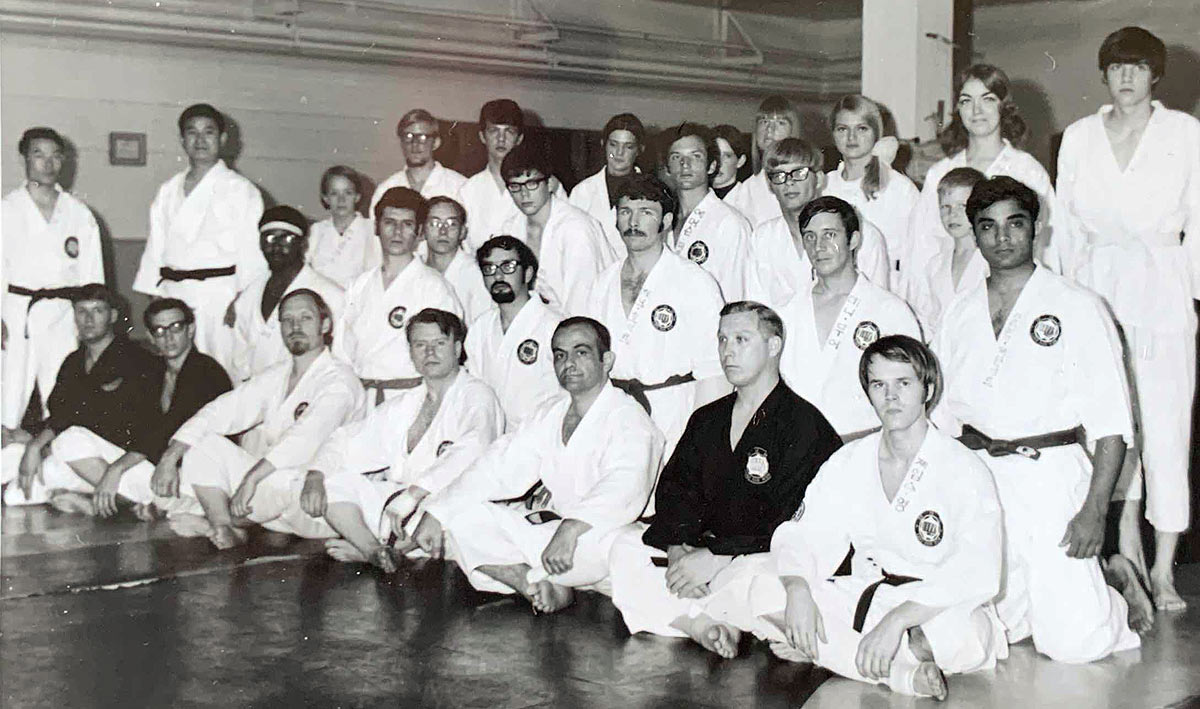
Hwa Chong arrived in the United States in 1967 to pursue graduate studies in economics at Michigan State University, receiving his master’s degree in 1970. He became an instructor at the University of Michigan Taekwondo Club, founded in 1964, and went on to train generations of instructors, competitors and martial arts leaders. He later served as President of the United States Taekwondo Union from 1993 to 1996.
Saleem Jehangir and Pakistan
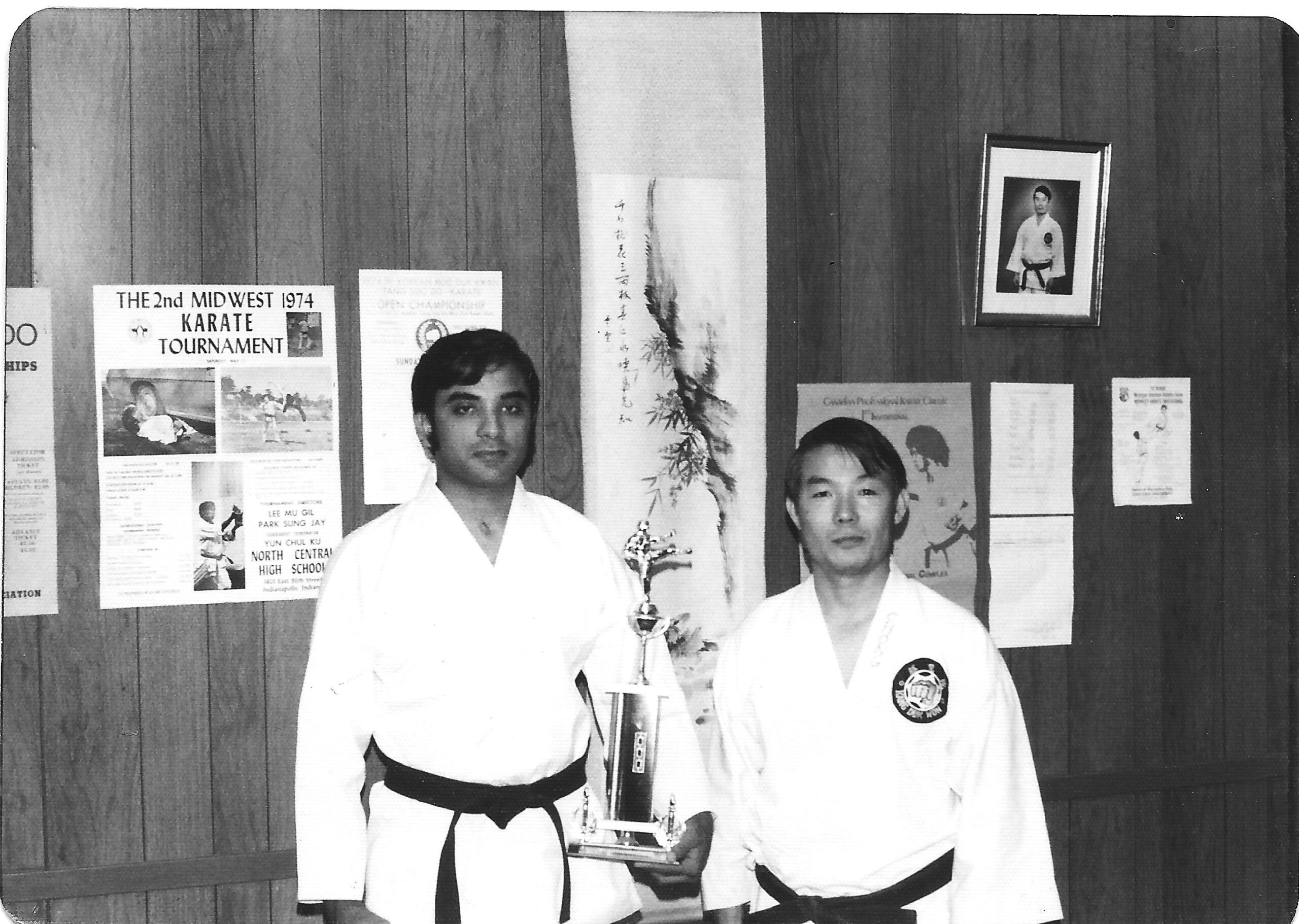
One of Chong’s early Michigan students, Saleem Jehangir, returned to Pakistan and began establishing taekwondo there in 1971. Recognized in WKF historical accounts as South Asia’s first taekwondo black belt and known as a pioneer of taekwondo in Pakistan, Jehangir’s activities were documented in Black Belt magazine in December 1975. Over subsequent decades he developed an indigenous martial arts community and continues to guide Kangdukwon in Pakistan through its national federation.
Kim Chang-Hak: Brazil and Portugal
A further major line developed through Grand Master Kim Chang-Hak, who settled in Brazil in 1981 and taught Kangdukwon alongside Korean hapkido traditions at the Brazil Eagle Club. His students carried these teachings abroad. In Portugal, Master Fernando Branco founded Academia Tigre Branco, a substantial taekwondo institution, through the lineage of Kim and Marcelo Ruhland. WKF recognition in 2022 strengthened these international relationships. Grand Master Kim continues teaching in Brazil, according to the Federation’s current information.

From Kangdukwon to Olympic taekwondo
Hwa Chong contributed substantially to the American competitive and administrative infrastructure that helped taekwondo develop as an Olympic discipline. At Seoul in 1988, when taekwondo was a demonstration sport, his students Lynette Love and Han Won Lee earned gold and bronze respectively. Taekwondo appeared again as a demonstration sport in Barcelona in 1992 and debuted as an official Olympic medal sport at Sydney in 2000, following IOC approval in 1994. Chong’s contribution was part of a broader international effort. Han Won Lee subsequently served as a United States Olympic taekwondo coach at Sydney.
The written succession of November 6, 2015
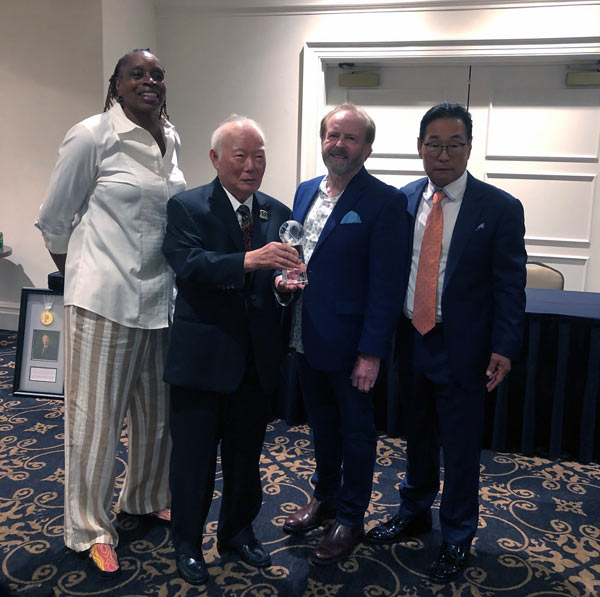
On November 6, 2015, five months before his death, Kangdukwon founder Chul Hee Park signed a bilingual declaration exercising his authority as founder. The document approved the establishment of the World Kang Duk Won Federation, appointed Grand Master Hwa Chong as the fourth head of Kang Duk Won (the English text calls him its fourth President), and recommended Master Seung Won Chi as Vice-President of Kang Duk Won.
“I approve the establishment of World Kang Duk Won Federation.”
“I appoint Grand Master Hwa Chong as the 4th President of Kang Duk Won.”
These provisions establish the institutional and lineage basis of Chong’s mandate to preserve and develop Kangdukwon internationally. The recommendation concerning Dr. Chi also attests to his standing within the Korean lineage. During the ensuing decade Chong guided the WKF and encouraged recognition and cooperation among geographically dispersed branches.
View or download the complete original signed declaration (PDF).
Han Won Lee: the next kwanjangnim and WKF President
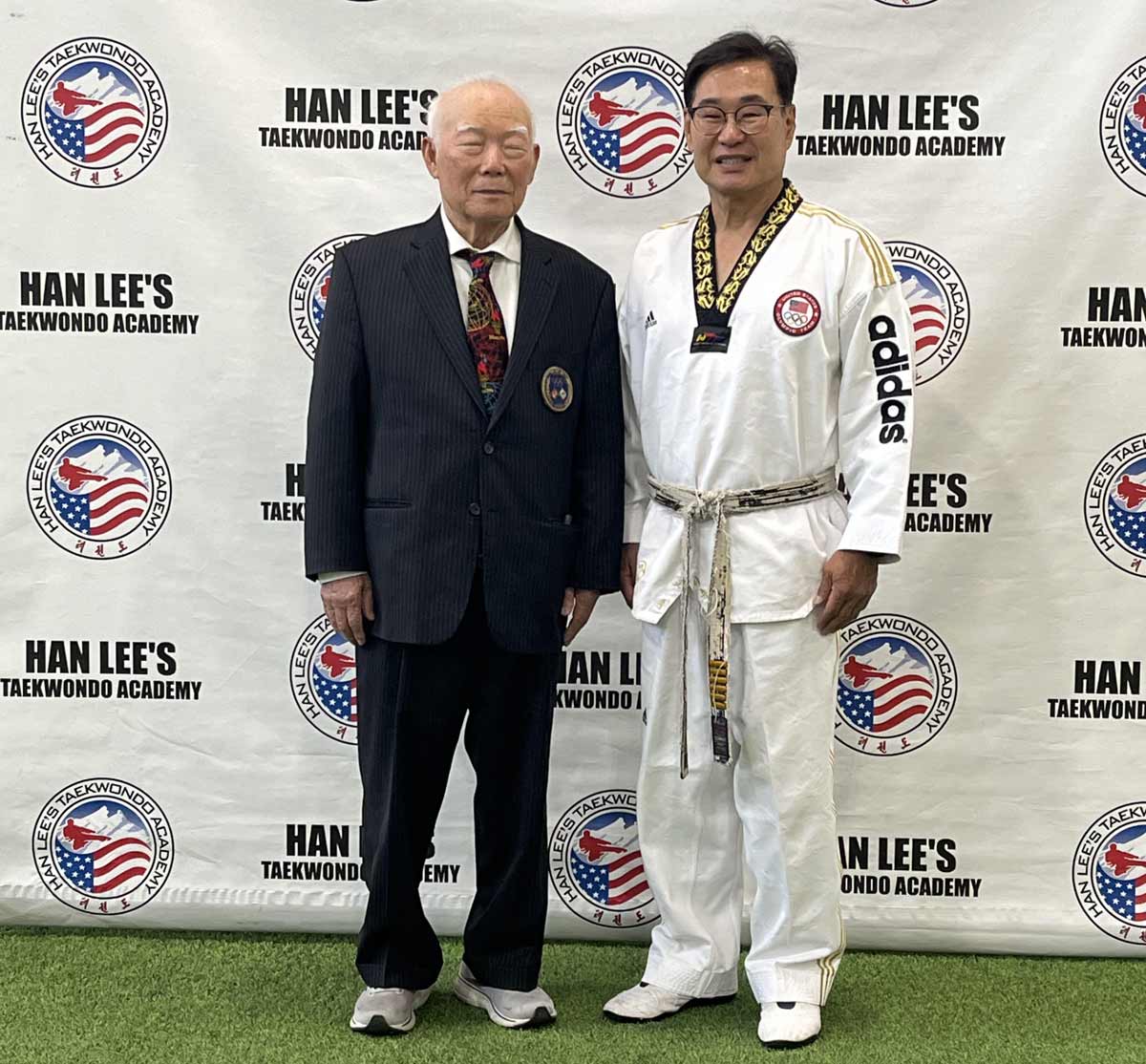
In November 2026, upon the full retirement of Great Grand Master Hwa Chong, Grand Master Han Won Lee succeeded him as the fifth kwanjangnim of Kangdukwon and, with that succession, assumed the Presidency of the World Kangdukwon Federation. Having trained under Chong in Ann Arbor, Lee represents an unbroken line of personal instruction extending back to the founders. His career encompasses international competition, Olympic coaching, instructor development and the establishment of Han Lee’s Taekwondo Academy in Colorado, one of the foremost contemporary Kangdukwon institutions in North America.
From a worldwide lineage to a worldwide federation
The geographical reach of Kangdukwon has long exceeded its formal organizational structure. Numerous dojangs across North America and communities in Vietnam, Australia, Pakistan, Brazil and Portugal preserve its inheritance. There are also communities in Africa, including Kangdukwon Moo Do in West Africa, and individual masters elsewhere whose connections or formal affiliation with WKF remain to be documented.
The task of the Federation is not simply to introduce Kangdukwon to new countries, but to identify and establish relationships with teachers and communities where it already exists. The new national appointments in Vietnam and Australia represent a practical step towards this objective. National representatives can facilitate communication, document lineages and encourage cooperation among senior masters without erasing the distinctive histories of their branches.
Under its new leadership, the WKF has the opportunity to bring this dispersed international family into closer association, preserving the legacy of its founders and ensuring its transmission to future generations. Masters and instructors whose lineages are not yet represented within the Federation are encouraged to establish contact with its international leadership.